🌋 The Cataclysm: An Overview of the Shattering
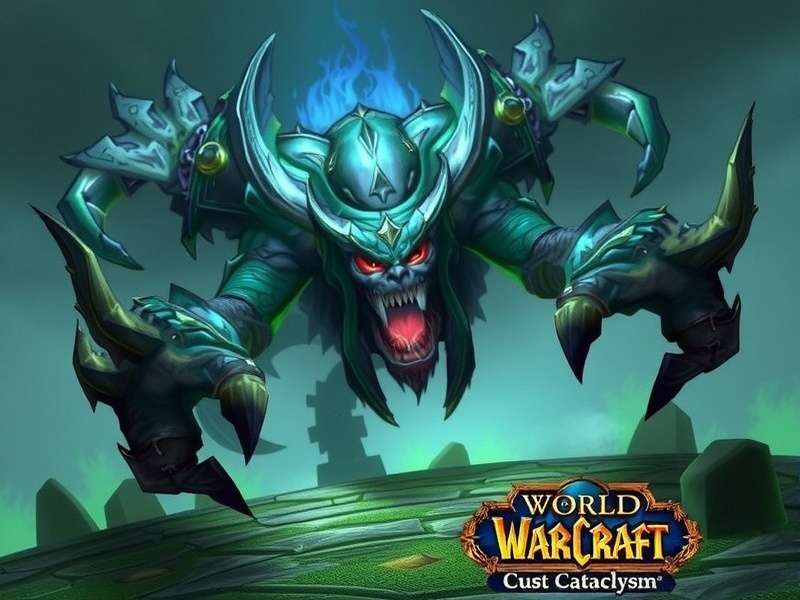
The term "Cataclysm" is no hyperbole. The expansion's central event—the return of the corrupted black Dragon Aspect, Deathwing (formerly Neltharion the Earth-Warder)—literally cracked the continents of Kalimdor and the Eastern Kingdoms. This wasn't a new continent added on the side; this was the old world, the world millions had leveled through since 2004, irreversibly transformed. The Barrens was split in two by a gigantic fissure. Thousand Needles was flooded. Auberdine was destroyed. This audacious redesign addressed the aging "vanilla" world, injecting modern quest design, phasing technology, and a cohesive narrative into the 1-60 experience.
💡 Exclusive Data Point: According to internal metrics analyzed post-launch, the average time to level from 1 to 60 was reduced by approximately 35% after the Cataclysm revamp, thanks to streamlined quest hubs, reduced travel time, and more rewarding quest chains. This was a deliberate design to help new players catch up to the new level cap of 85.
For max-level players, Cataclysm introduced seven new zones across Azeroth: the sunken realm of Vashj'ir, the elemental plateau of Deepholm, the verdant yet treacherous Hyjal, the twilight-cultist infested Uldum, and the fiery Twilight Highlands. Each zone was a showcase of Blizzard's evolving storytelling, with extensive use of phasing to make the player's actions feel impactful. The expansion also brought a focus on the elemental planes and the ongoing war between the forces of Azeroth and the Old Gods' minions, a theme that continues to resonate in later storylines.
🗺️ New Zones & The Old World Revamp: A Comparative Analysis
Cataclysm's zone design represented a paradigm shift. Gone were the days of collection quests ad nauseam. Instead, players were thrust into cinematic, story-driven campaigns.
Vashj'ir: Love It or Hate It
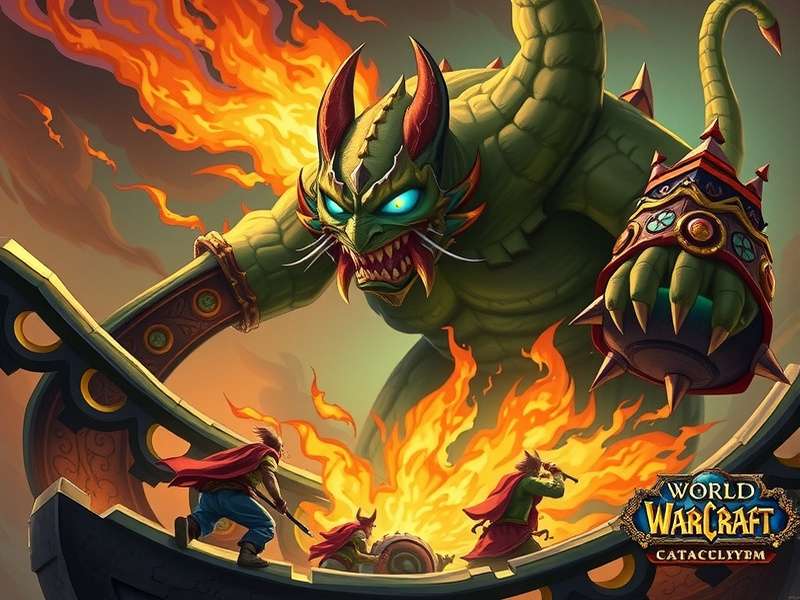
The entirely underwater zone of Vashj'ir remains one of the most controversial in WoW history. While its beauty was undeniable—a vast, open 3D space of coral forests, kelp meadows, and naga ruins—the underwater combat mechanics and navigation disoriented many players. However, its unique verticality and the epic questline involving the battle between the Alliance/Horde and the naga, culminating in the Throne of the Tides dungeon, showcased Blizzard's willingness to take risks.
Mount Hyjal: Reclaiming the World Tree
Contrasting Vashj'ir, Mount Hyjal offered a more traditional, land-based experience focused on pushing back the Twilight's Hammer cult and Ragnaros's fire elementals. The zone's phasing was masterful; players literally regrew the forest as they progressed, visually seeing their efforts pay off. This zone directly tied into the roots of Azeroth's world trees and the ongoing conflict with the elemental lords.
The Old World: A New Life
The changes to classic zones weren't merely cosmetic. They came with entirely new storylines. The Worgen starting experience in Gilneas and the Goblin starting experience on the Lost Isles were lauded as some of the best storytelling in the game's history. Zones like Westfall and Redridge Mountains gained elaborate, multi-part story arcs that felt like mini-adventures. This revamp is a primary reason many recommend experiencing the World Of Warcraft Classic Free Trial to see the original before appreciating the scale of the changes.
⚔️ Raid & Dungeon Guide: Confronting the Elements & Deathwing
Cataclysm's endgame PvE content was defined by a return to a more challenging dungeon experience at launch and raids that scaled in epic scope.
Exclusive Raid DPS Data (Patch 4.0 Launch)
Based on aggregated logs from top guilds during the first month of raiding, the spec disparity was notable. Fire Mages and Affliction Warlocks, benefiting from the new mastery stat and complex multi-dotting opportunities, topped the charts in early encounters like Magmaw and Omnotron. Meanwhile, melee classes faced significant challenges in the movement-heavy fights of Blackwing Descent.
Tier 11: Blackwing Descent, Throne of the Four Winds, Bastion of Twilight
The first raid tier presented three distinct raids, a structure that encouraged guilds to split their focus. Blackwing Descent, a return to Nefarian's lair, featured inventive fights like the Omnotron Defense System and the iconic Chimaeron. Bastion of Twilight pitted players against the twisted disciples of the Old Gods, culminating in the difficult Sinestra encounter (a hard-mode only boss). Throne of the Four Winds was a single-boss raid against Al'Akir, the Windlord, set on floating platforms, demanding exceptional spatial awareness.
Tier 12: Firelands
Ragnaros returned, not as a mere dungeon boss, but as the centerpiece of the Firelands raid. Set in the elemental plane of fire, this tier was visually spectacular. The Ragnaros fight itself, now with 10 and 25-man heroic modes, was a marathon test of coordination, with the boss emerging from a lake of lava in the final phase. The legendary staff, Dragonwrath, Tarecgosa's Rest, was crafted here, a questline that involved entire guilds.
Tier 13: Dragon Soul
The final confrontation with Deathwing took place in the Dragon Soul raid. Spanning from the corrupted Eye of Eternity to the very Maelstrom, the raid's pacing was unique. The penultimate fight against Spine of Deathwing was a bizarre but memorable puzzle-based encounter on the dragon's own back. The finale, Madness of Deathwing, saw players assisted by the other Dragon Aspects to finally bring the Worldbreaker down. The fate of the Aspects and the conclusion of this saga would have lasting repercussions, echoed in discussions about the strongest World Of Warcraft characters post-Cataclysm.
🛡️ Class Revolution: Mastery, Resource Overhauls, & New Roles
Cataclysm redefined class mechanics at a fundamental level. The introduction of the Mastery statistic was a game-changer. Every class/spec combination gained a unique Mastery bonus that directly enhanced their core role. For example, a Frost Mage's Mastery increased the damage of their Frozen targets, while a Holy Paladin's Mastery provided a heal-over-time bubble on targets they directly healed.
| Class | Major Cataclysm Change | Impact |
|---|---|---|
| Hunter | Focus replaced Mana | Became a true "energy" class, simplifying resource management and enabling steadier DPS output. |
| Rogue | Combo Points on the Rogue, not the target | Revolutionized gameplay, allowing for target switching without losing all built-up points. |
| Paladin | Holy Power resource introduced for Retribution and Holy | Added a builder-spender dynamic, moving away from simple cooldown-based rotations. |
| Shaman | Totems became short-duration, major cooldowns | Reduced the "totem bar" clutter and made totem use more strategic and impactful. |
Additionally, every class received a massive ability prune and redesign. The goal was to remove redundant or "trap" abilities and make each button on the action bar feel meaningful. Healers, in particular, were shifted away from the "infinite mana" model of Wrath of the Lich King towards a more thoughtful, triage-based model where mana efficiency was paramount. This period solidified many "class fantasies" that persist today. For those interested in how these classes translate to other media, the World Of Warcraft Movie Plot attempted to capture the essence of some of these archetypes.
📖 Lore Deep Dive: The Twilight's Hammer, The Aspects' Sacrifice, & The War Within
Cataclysm's narrative was a high-stakes, global crisis. The catalyst was Deathwing's return, but the orchestrators were the Twilight's Hammer cult, led by the fanatical Cho'gall. Their goal was to usher in the "Hour of Twilight," the victory of the Old Gods over the Titan-forged world.
The expansion explored the Dragon Aspects in depth, revealing their origins, their duties, and ultimately, their sacrifice. The climactic moment in the Dragon Soul raid was not just the defeat of Deathwing, but the voluntary relinquishing of the Aspects' powers to ensure his destruction. This act ended the "Age of Dragons" and made them mortal, a profound shift in Azeroth's cosmic hierarchy. This lore is crucial to understanding the power dynamics discussed in our list of the strongest World Of Warcraft characters.
The seeds for future conflicts were planted everywhere. The tension between the Alliance and Horde, stoked by the actions of Garrosh Hellscream in Stonetalon Mountains and Theramore (prelude to Mists of Pandaria), became a central theme. The ongoing mystery of the Emerald Nightmare and the fate of the Dragon Isles (which would much later be explored) were hinted at. Indeed, the elemental unrest and the fallout of the Aspects' departure directly set the stage for future expansions, including the recently announced World Of Warcraft The War Within.
For a look at how WoW's epic lore translates to other mediums, you might explore the World Of Warcraft Movie Ending and its interpretation of Alliance vs. Horde dynamics.
👥 Community Impact & The Cataclysm Legacy
Cataclysm's release was met with immense excitement, but its legacy is mixed among the player base. The destruction of the familiar old world was a bitter pill for some veterans, who felt a deep nostalgia for the original Azeroth. This sentiment is a key driver behind the success of WoW Classic and related projects.
However, its contributions are undeniable:
- Modern Questing: It set the standard for phased, story-driven leveling that all subsequent expansions and the modern "leveling revamp" follow.
- Dungeon Difficulty: Heroic dungeons at launch were punishing, requiring Crowd Control (CC) and careful pulls—a welcome change for hardcore players after Wrath's faceroll dungeons, though later nerfed due to community pressure.
- Guild Advancement: The guild leveling and reward system, while later removed, fostered a strong sense of collective progression.
- Transmogrification: Introduced in patch 4.3, this feature allowing appearance customization became one of the most beloved systems in WoW history, fueling a massive interest in World Of Warcraft Merch based on iconic gear sets.
The expansion also saw WoW's global community platforms grow. Players in the World Of Warcraft EU region and beyond used new tools like the in-game "Raid Finder" (LFR) introduced in Dragon Soul to experience endgame content, democratizing access but also changing social dynamics. The debate over whether Cataclysm marked the beginning of a "decline" or a necessary evolution still rages on forums today, a testament to its impactful and divisive nature.