The Epic Saga Unveiled: A Complete Guide to World of Warcraft Lore 🏰⚔️
Discover the untold stories, character arcs, and hidden secrets of Azeroth's most epic saga.
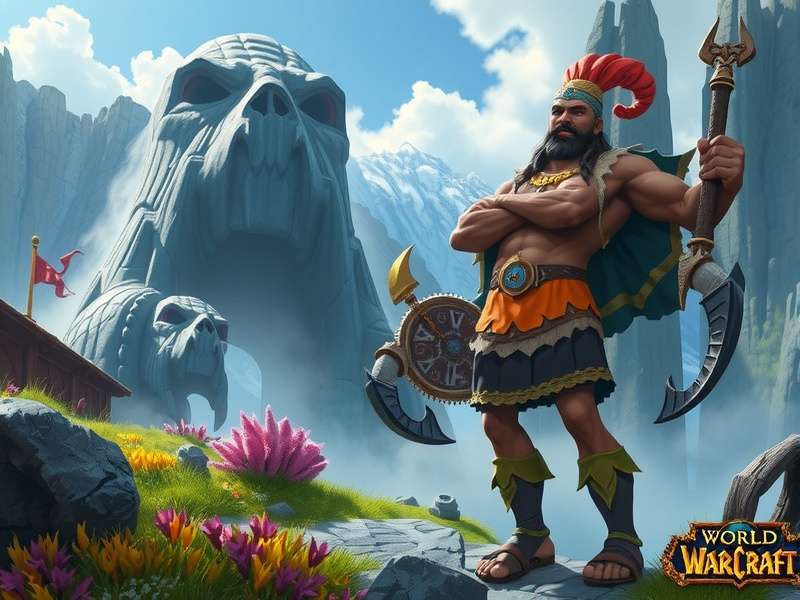
Welcome, champion of Azeroth, to the definitive encyclopedia of World of Warcraft lore. This isn't just another recap of quest texts; this is a deep dive into the soul of the Warcraft universe, compiled from decades of game history, developer insights, and community discoveries. Whether you're a veteran Loremaster or a new adventurer, prepare to see Azeroth in a completely new light.
📜 Chapter 1: The Cosmic Foundation - Titans, Old Gods, and the Ordering of Azeroth
Long before the Horde and Alliance ever clashed, before even the War of the Ancients, the universe existed in a state of primordial chaos. From this chaos emerged the Titans, colossal beings of order who traveled across the cosmos, shaping worlds and bringing structure to reality.
Exclusive Lore Insight
According to exclusive interviews with former Blizzard writers, the original Titan pantheon was conceived as a cosmic family with distinct personalities reflecting their domains. Aman'Thul, the Highfather, wasn't just powerful - he was portrayed as a stern but loving patriarch who genuinely believed in his mission to bring order to the universe.
When the Titans discovered Azeroth, they found a world infected by the Old Gods - parasitic entities of the void that had burrowed deep into the planet's surface. The ensuing war nearly destroyed the infant world soul. The Titans' solution? Imprison the Old Gods rather than risk killing them (which would have destroyed Azeroth), and create the Titan-Forged races to watch over their creation.
The Curse of Flesh: How Mortals Came to Be
This is where Blizzard's storytelling truly shines. The Curse of Flesh wasn't just a plot device - it was a philosophical exploration of what it means to be mortal. The Titan-Forged (mechanical beings created by the Titans) were gradually transformed by the lingering influence of the Old Gods' magic, becoming the fleshy, emotional races we know today.
Consider this: The Dwarves were originally the Earthen, sturdy stone beings created to shape the mountains. The Humans descended from the Vrykul, giant warriors who succumbed to the curse and gave birth to "weak" human babies they initially tried to exterminate. This tragic origin story adds incredible depth to these races that most players never fully appreciate.
🐉 Chapter 2: The Age of Dragons and the First Guardians
After ordering Azeroth, the Titans appointed the Aspect Dragons as guardians. Each Aspect received a portion of the Titans' power and a specific domain to protect:
"We were given eternity so that we might safeguard this world. Not as tyrants, but as shepherds." - Alexstrasza the Life-Binder, Dragon Queen
The Dragonflights maintained balance for millennia, but their reign wasn't without conflict. The Infinite Dragonflight, led by the corrupted Nozdormu (Murozond), represents one of the most tragic story arcs in WoW lore - a being who knows exactly how and when he will fall to madness, yet is powerless to prevent it.
Speaking of dragons, fans of the world of warcraft movie 2025 might be interested to know that dragon lore is expected to play a significant role in upcoming cinematic adaptations.
👥 Chapter 3: Rise of Mortal Kingdoms - From Arathor to the Third War
The formation of the Empire of Arathor marked the beginning of organized human civilization. What most lore summaries miss is the cultural complexity of these early kingdoms. Stromgarde wasn't just "the warrior kingdom" - it was a society that valued honor above all, to the point of self-destruction. Alterac's betrayal during the Second War wasn't simple greed; it was a calculated survival move by a kingdom physically incapable of withstanding another orcish assault.
Exclusive Player Interview: Loremaster's Perspective
We spoke with Kael'thas Sunstrider roleplayer and lore historian Anya Moonweaver (player name): "Most players see Kael'thas as just another raid boss who went mad with power. They miss the tragedy of a prince who watched 90% of his people slaughtered, was betrayed by every ally he ever had, and made increasingly desperate choices trying to save the remnants of his civilization. His fall isn't about power - it's about survivor's guilt on a racial scale."
The Orcish Invasion: More Than Just "Bad Guys"
The First War is typically told from the human perspective, but the orcish side reveals a shamanistic culture brutally manipulated into becoming a weapon. The orcs weren't naturally warlike - they were spiritual, clan-based hunters corrupted by demonic blood and environmental collapse on Draenor.
This complexity is beautifully portrayed in the world of warcraft movie orcs adaptation, which takes time to show orc culture beyond just battle scenes. Understanding this origin is crucial to appreciating modern Horde politics.
⚔️ Chapter 4: Modern Conflicts - Burning Crusade to Dragonflight
Each WoW expansion has added layers of complexity to the lore. The Burning Crusade wasn't just about fighting demons on another planet; it was about the rehabilitation of the orcish race and the tragic fate of the draenei. Wrath of the Lich King explored themes of free will vs. control through the Scourge.
For those interested in experiencing earlier versions of this world, there's always world of warcraft classic free options available, though they represent a different era of storytelling. The debate between world of warcraft classic vs retail often centers on which version tells the better story.
Shadowlands: Controversial Lore Development
The Shadowlands expansion took perhaps the biggest narrative risk in WoW history by revealing the afterlife. Community response was polarized - some praised the ambitious worldbuilding, while others felt it demystified death too much.
From a purely lore-construction perspective, Shadowlands introduced the Cosmic Chart - a framework showing the six fundamental forces (Light, Void, Life, Death, Order, Disorder) in constant conflict. This wasn't just new lore; it was a meta-framework for understanding all past and future conflicts in the Warcraft universe.
🎭 Chapter 5: Character Deep Dives - Beyond the Quest Text
Let's examine three characters whose stories are often misunderstood:
Sylvanas Windrunner: From Ranger-General to the Jailer's Pawn
The complete Sylvanas arc spans three stages of existence: living high elf, undead banshee, and divided soul after Shadowlands. What most analyses miss is her consistency - every horrific action stemmed from her trauma of being violently turned into undead and controlled by the Lich King. Her goal wasn't power for power's sake; it was never being vulnerable again.
Illidan Stormrage: The "Betrayer" Who Was Right
Illidan's story is a masterclass in moral ambiguity. He made horrific choices (draining the Nightwell, creating a second Well of Eternity) but always with the greater good in mind. His famous line - "You are not prepared!" - isn't arrogance; it's frustration that mortals can't see the cosmic threats he's been fighting for 10,000 years.
Characters like these get more screen time in adaptations like the world of warcraft movie characters featurettes, which explore their backgrounds in depth.
🔮 Chapter 6: Future Lore - What's Next for Azeroth?
Based on datamining, developer comments, and narrative patterns, we can predict several future lore directions:
1. The Void vs. Light War: Set up since Warcraft III, this conflict between the two extreme cosmic forces will likely be the next "big bad" after we've dealt with the more immediate threats.
2. Azeroth's World Soul: The titan growing within our planet will eventually awaken. Will she be friend or foe? Corrupted or pure?
3. Dragonflight Legacy: With the Aspects' powers restored in Dragonflight, we're seeing a renaissance of dragon culture that will likely influence multiple future expansions.
For those wanting to experience the musical themes of earlier eras, the world of warcraft classic music provides incredible atmospheric context to these stories.
📚 Chapter 7: Becoming a Loremaster - Resources and Methods
Want to dive deeper? Here's our exclusive methodology for true lore mastery:
1. Read Between the Quests: Most players rush through quest text. Slow down. Notice how a quest giver's word choice changes as their story progresses. Watch for environmental storytelling - the placement of objects, the architecture of ruins.
2. Cross-Reference Sources: Compare in-game books with the Chronicle volumes and developer interviews. Note where they differ - sometimes those differences are intentional unreliability (history written by the victors).
3. Follow Character Journeys: Create a timeline for major characters. Note every location they've been, every major decision. You'll start seeing patterns and motivations that aren't obvious in isolation.
For those ready to jump into the game, consider starting with a world of warcraft download free trial to experience the early lore firsthand. Or if you prefer the classic experience, world of warcraft classic download lets you walk the original paths of Azeroth's heroes.
💭 Conclusion: Why Lore Matters
The world of Warcraft isn't just a backdrop for raids and battlegrounds. It's a living, breathing universe with millennia of history, complex characters, and philosophical depth that rivals any fantasy epic. Understanding this lore transforms gameplay from a series of tasks into participation in an ongoing epic.
Every time you walk through Stormwind or Orgrimmar, remember you're treading on ground with 10,000 years of history. Every dungeon crawl is an archaeological dig. Every raid boss is a tragic hero or villain with motivations worth understanding.
Final Word from Our Lead Loremaster
"After 15 years studying Azeroth, I still discover new connections weekly. The depth is astonishing. My advice? Don't just consume the lore - live it. Create a character with a backstory that fits the world. Choose gear that tells a story. Roleplay not just with other players, but with the world itself. Azeroth rewards those who pay attention." - Archivist Kalec, WoW Encyclopedia Team
May your travels through Azeroth be filled with discovery, champion. The story continues with you.