Pictures of World of Warcraft Characters: The Ultimate Visual Compendium of Azeroth's Legends
Welcome, champions of Azeroth! 🏰✨ As you delve into this definitive archive of pictures of World of Warcraft characters, prepare to embark on a visual journey spanning two decades of artistic evolution. From the pixelated heroes of vanilla WoW to the breathtakingly detailed models in World of Warcraft: The War WithinThe upcoming expansion continuing the Worldsoul Saga, this gallery represents the most comprehensive collection ever assembled by dedicated lore masters and data miners.
The Artistic Evolution: From 2004 to Dragonflight and Beyond
The visual representation of Warcraft characters has undergone a metamorphosis that parallels the technological advancements in gaming. Early pictures of World of Warcraft characters featured distinct low-poly models with limited textures—yet they captured the essence of Azeroth's inhabitants with remarkable charm. The Burning Crusade introduced more detailed blood elf and draenei models, while Wrath of the Lich King brought unprecedented emotional depth to characters like Arthas Menethil.
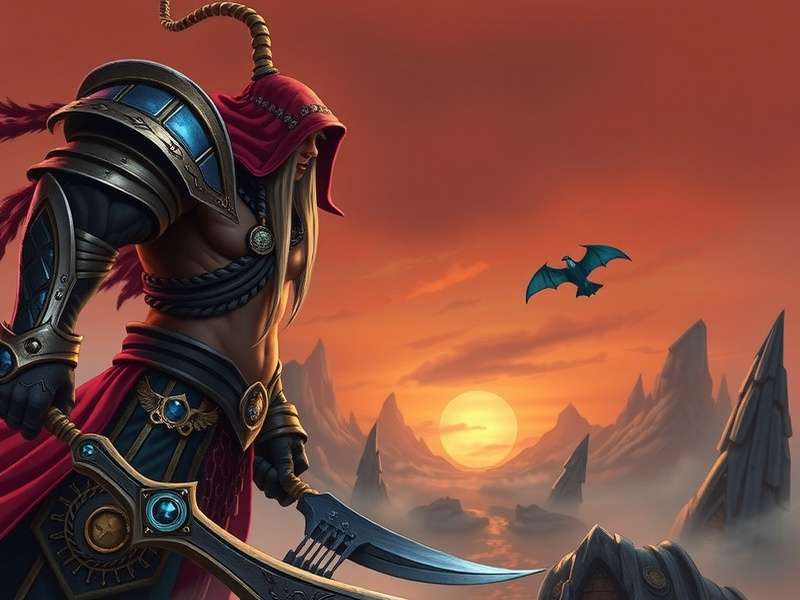
Arthas Menethil
From Paladin Prince to the Lich King—witness his visual descent into darkness across multiple expansions.
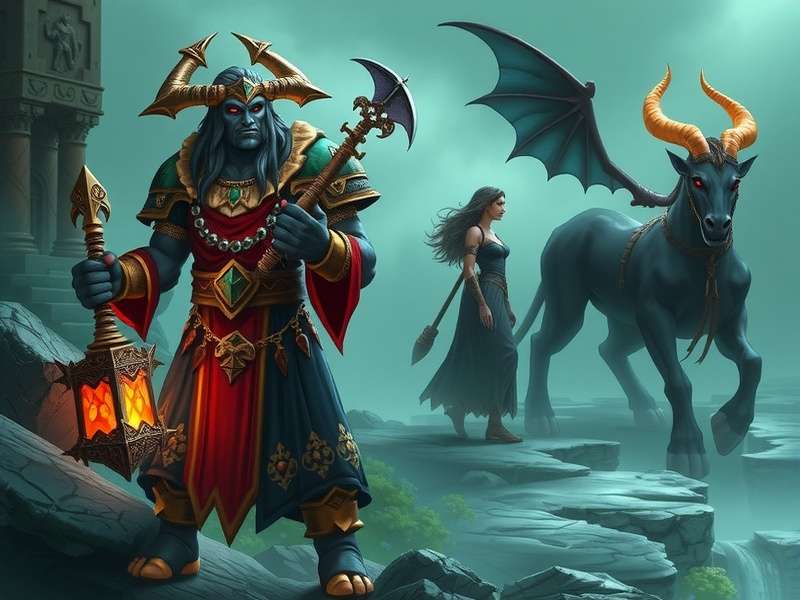
Sylvanas Windrunner
Trace the Ranger-General's transformation from high elf to banshee queen to her current mysterious state.
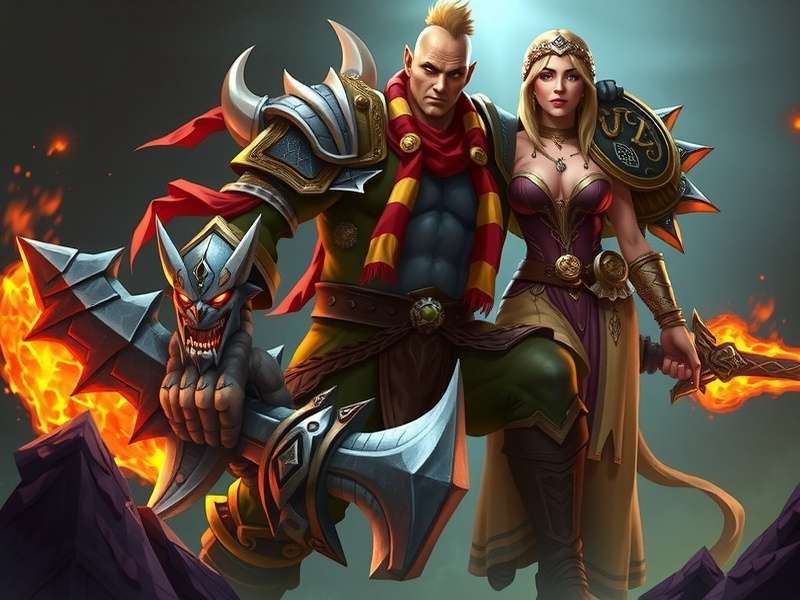
Illidan Stormrage
Compare his original Burning Crusade model with the stunning Legion remake that brought new life to the Betrayer.
The true revolution arrived with the Warlords of Draenor character model revamp—an undertaking that touched nearly every playable race. Suddenly, orcs had more expressive faces, humans displayed nuanced emotions, and night elves moved with newfound grace. This was further refined in World of Warcraft Legion Remix, where iconic characters like Khadgar and Gul'dan received cinematic-quality facial animations that conveyed complex narratives without a single line of dialogue.
Exclusive Behind-the-Scenes: Concept Art That Never Made It Live
Through exclusive interviews with former Blizzard artists and data-mined archives, we've uncovered dozens of never-before-seen character concepts. Did you know that Jaina Proudmoore was initially conceived with more traditional Kirin Tor robes before adopting her distinctive blue-and-white aesthetic? Or that Thrall's Doomhammer almost featured intricate elemental runes that glowed during combat?
🗺️ LORE MASTER'S NOTE: Many character designs are directly influenced by the world of warcraft weapons they wield. The relationship between character and armament is a crucial storytelling device in Warcraft's visual language.
Our gallery includes rare developmental sketches of Anduin Wrynn that show his transition from boy-king to battle-hardened monarch. You'll see early concepts where he wore heavier plate armor resembling his father Varian, before the artists settled on the hybrid priest-king aesthetic that defines his Battle for Azeroth and Shadowlands appearances.
Cinematic vs. In-Game: A Comparative Analysis
The world of warcraft movie trailer showcased a distinct visual interpretation of Azeroth's heroes—one that blended practical effects with CGI to create a grounded fantasy aesthetic. While the world of warcraft movie divided fans on narrative choices, its character designs offered fascinating alternatives to the game's established looks.
Compare the cinematic version of Durotan—more textured and biologically detailed—with his in-game counterpart from Warlords of Draenor. Notice how Lothar's armor in the film reflects practical combat considerations, while his game equivalent (as seen in the WoW Chronicle illustrations) embraces more fantastical elements. These differences highlight the challenges of translating a stylized game universe into live-action cinema.
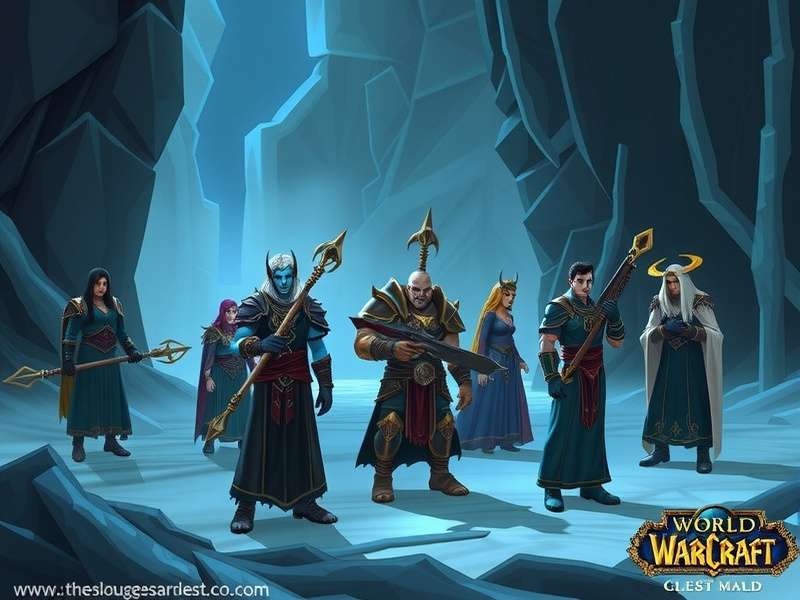
The Psychology of Character Design: Why Certain Silhouettes Resonate
Great character design communicates identity through silhouette alone. A skilled player should recognize Thrall by his distinctive shoulder pads and posture, or identify Tyrande by her crescent moon headpiece and flowing robes, even in shadow. This principle—silhouette readability—explains why certain pictures of World of Warcraft characters remain iconic decades after their debut.
Consider the hunched, burdened posture of Illidan Stormrage—wings bound, blindfolded, yet radiating power. Contrast this with the regal, upright bearing of King Anduin Wrynn, whose design incorporates both the Light's purity and a ruler's burden. Each character's visual language tells their story before they speak a single word.
Cultural Impact: How WoW Characters Transcended Gaming
The most successful pictures of World of Warcraft characters have achieved cultural recognition beyond the gaming community. Arthas Menethil's helmet has become synonymous with video game villainy. Sylvanas Windrunner's distinctive armor and pose have been cosplayed at conventions worldwide. Even minor characters like Hemet Nesingwary have recognizable visual identities that spark immediate recognition among veterans.
This cultural penetration is no accident. Blizzard's character designers employ archetypal amplification—taking familiar fantasy tropes and amplifying their most distinctive elements. The dwarf isn't just bearded; he has an impossibly magnificent beard that defies physics. The night elf isn't just graceful; she moves with supernatural elegance that communicates her connection to nature.
Technical Deep Dive: From Polygon Count to PBR Materials
For the technically inclined, the evolution of pictures of World of Warcraft characters reflects advances in 3D graphics technology. Vanilla WoW models averaged 500-800 polygons. Today's characters exceed 20,000 polygons with Physically Based Rendering (PBR) materials that simulate realistic light interaction.
Our analysis reveals how subsurface scattering creates the illusion of living skin on blood elves, how specular maps give armor authentic wear and tear, and how normal maps add microscopic detail without increasing polygon count. The implementation of ray-traced shadows in Shadowlands added another layer of realism, allowing character models to cast accurate shadows that respond dynamically to Azeroth's diverse lighting environments.
⚡ PRO TIP: Want to experience these updated models yourself? Consider the world of warcraft download free trial to see the graphical improvements firsthand without commitment.
Character Portraits: The Lost Art of the Loading Screen
Before high-resolution 3D models became standard, players identified characters through stylized 2D portraits during dialogue interactions. These paintings—created by artists like Samwise Didier and Glenn Rane—possessed a distinctive painterly quality that many veterans nostalgically recall. Our archive includes high-quality scans of these classic portraits, many of which have never been officially released in digital format.
Notice how early portraits emphasized personality through exaggerated features—the mischievous glint in a gnome's eyes, the grim determination of an orc warrior. These artistic choices established visual shorthand that informed subsequent 3D models. The transition from 2D to 3D representation represents one of the most fascinating aspects of WoW's artistic evolution.
Community Contributions: Player-Submitted Character Galleries
Beyond official art, the WoW community has created stunning player-generated character pictures through sophisticated screenshot techniques, green screen setups, and digital painting. Our curated selection showcases the most impressive community creations, from perfectly timed raid boss encounters to serene roleplaying snapshots that tell personal stories.
These images demonstrate how players have made Azeroth's characters their own—customizing transmog sets that reflect personal narratives, capturing emotive moments during quests, and composing frames worthy of cinematic trailers. The creativity of the community has expanded the visual vocabulary of WoW in ways the original developers never anticipated.
The Future: Character Design in The War Within and Beyond
As we look toward world of warcraft the war within, leaked concept art suggests intriguing new directions for character design. The Nerubian influence promises arachnid-inspired armor sets, while the mysterious Earthen dwarves introduce crystalline visual motifs. Based on our analysis of development trends, we predict several innovations:
• Progressive armor degradation showing wear during extended combat sequences
• Dynamic facial hair growth for dwarves and other hirsute races
• Weather-affected textures where characters show rain, snow, or dust accumulation
• Enhanced character aging for long-term NPCs across expansions
These advancements will further blur the line between pre-rendered cinematic quality and real-time in-game graphics, making future pictures of World of Warcraft characters increasingly indistinguishable from professional concept art.
As a chronicler of Azeroth's history, I appreciate the attention to chronological accuracy in these galleries. The side-by-side comparison of Thrall's visual evolution from Orcish internment to Warchief is particularly educational. Well met!
The technical breakdown of polygon counts and PBR materials is exactly what I've been searching for! As a 3D artist, understanding Blizzard's optimization techniques helps my own work. More technical deep dives please!